Life Hacks
-
10 Healthy Habits That Can Change Your Life

Building a healthier lifestyle does not require changing everything overnight. The most sustainable approach is to develop small, practical habits that you can maintain consistently over time. Healthy habits such as eating a balanced diet, staying physically active, getting enough sleep, managing stress, and maintaining meaningful relationships can support overall well-being. Whether you are a…
-
A2P Calling: What It Means, How Detection Works, and How to Prevent Unwanted Calls
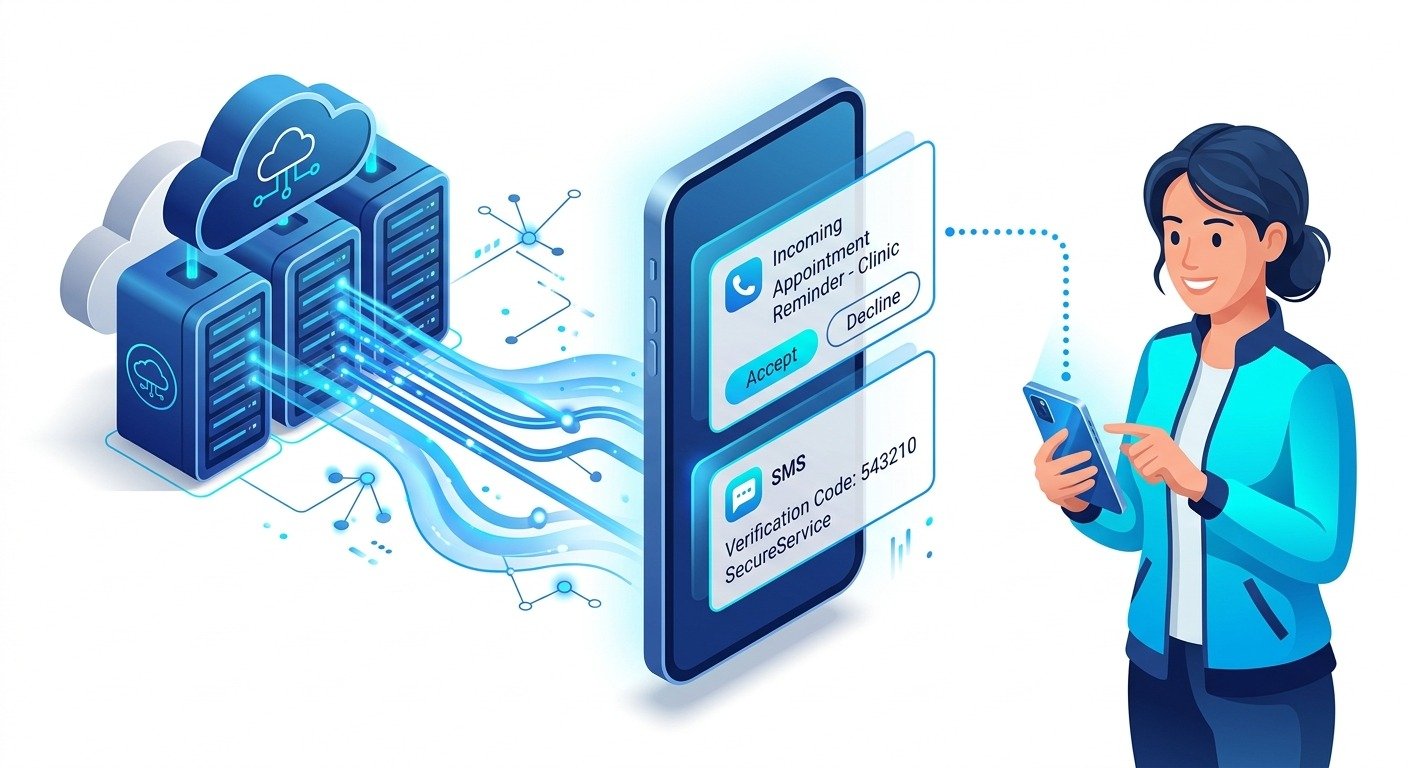
If you have ever received a phone call from a number you do not recognize and wondered, “What is A2P calling?”, you are not alone. The term A2P calling is becoming increasingly common as businesses use cloud phone systems, automated dialing platforms, CRM software, and communications APIs to contact customers. A2P stands for Application-to-Person. In…
-
AI Governance Intake Process: A Step-by-Step Guide for Organizations
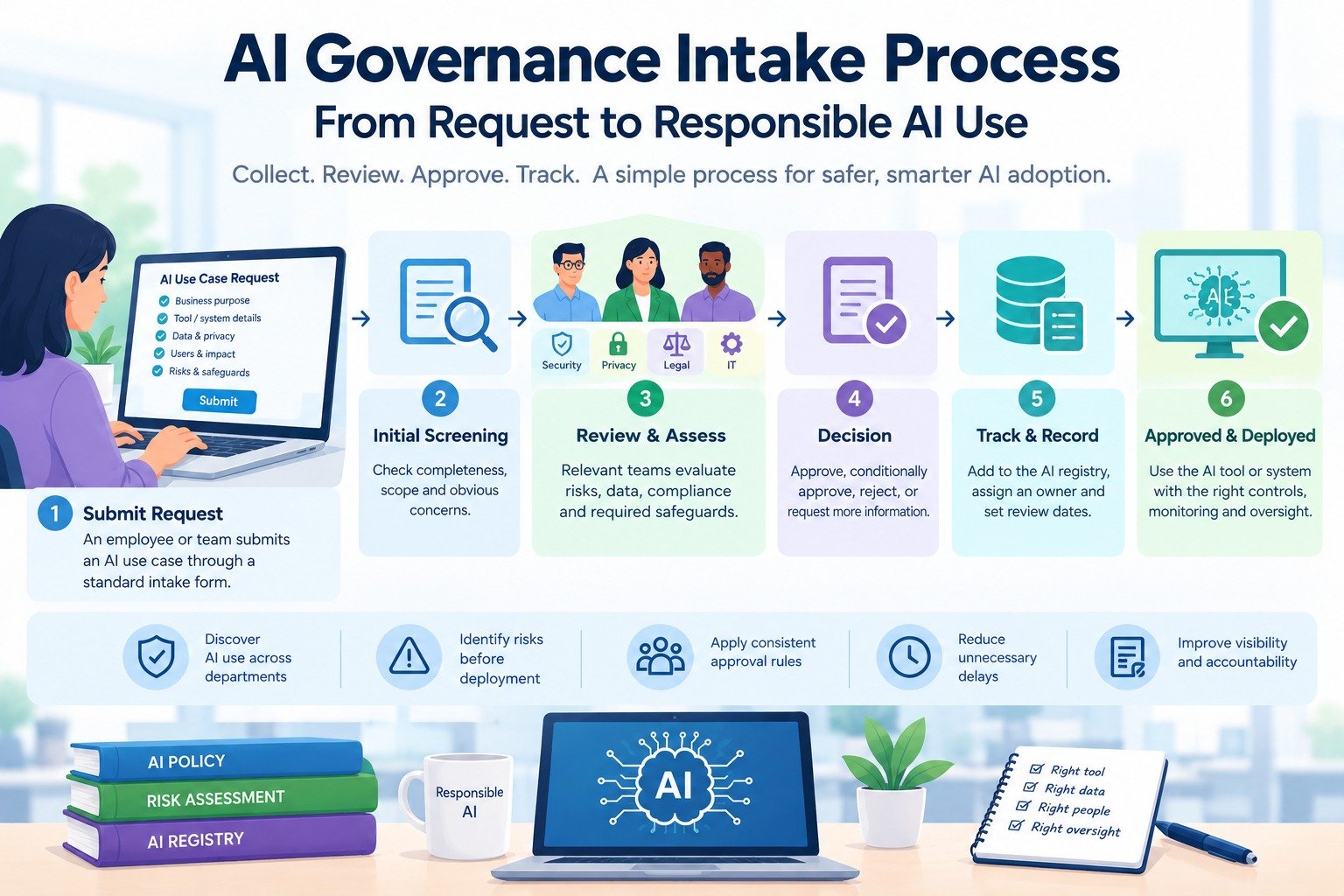
Artificial intelligence is becoming a regular part of business operations. Employees use AI tools to write content, analyze information, automate tasks, generate code, improve customer service, and support business decisions. Although these tools can increase productivity, introducing them without proper review can create security, privacy, compliance, and operational risks. One employee might use an AI…
-
AI Governance Quick Wins: Policy, Intake, Risk Tiering, and Registry
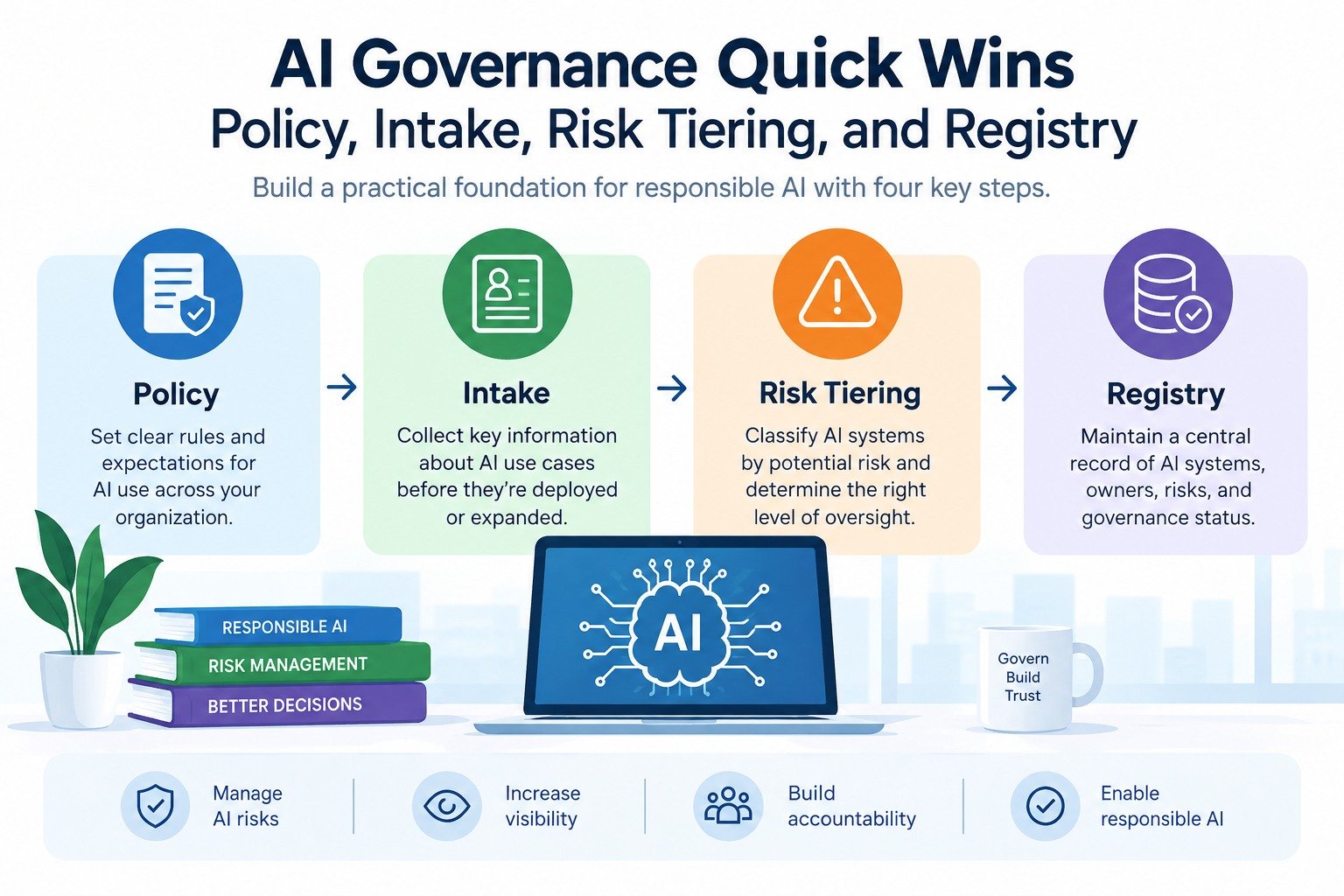
Artificial intelligence is becoming part of everyday business operations. Companies are using AI for customer support, marketing, software development, document processing, analytics, recruitment, content creation, and decision support. But as AI adoption grows, organizations also need to understand what AI systems they are using, what risks those systems create, who is responsible for them, and…
-
AI Risk Tiering: How to Classify AI Use Cases and Manage Risk
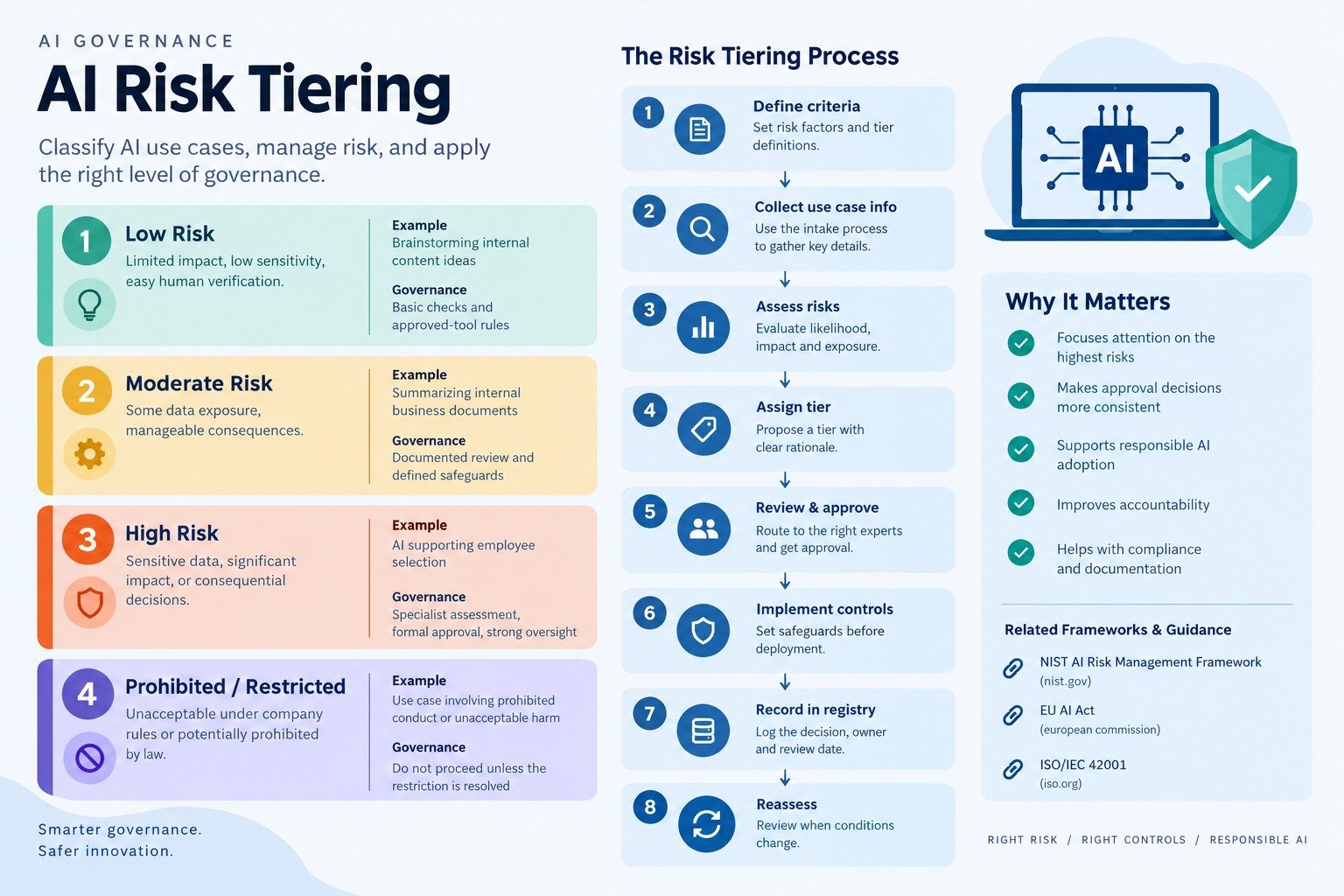
Artificial intelligence is changing how organizations work. Businesses use AI to write content, analyze information, automate repetitive tasks, support customer service, generate software code, and assist with important decisions. These applications can save time and improve productivity, but they can also introduce risks related to data privacy, security, accuracy, fairness, and accountability. The main challenge…