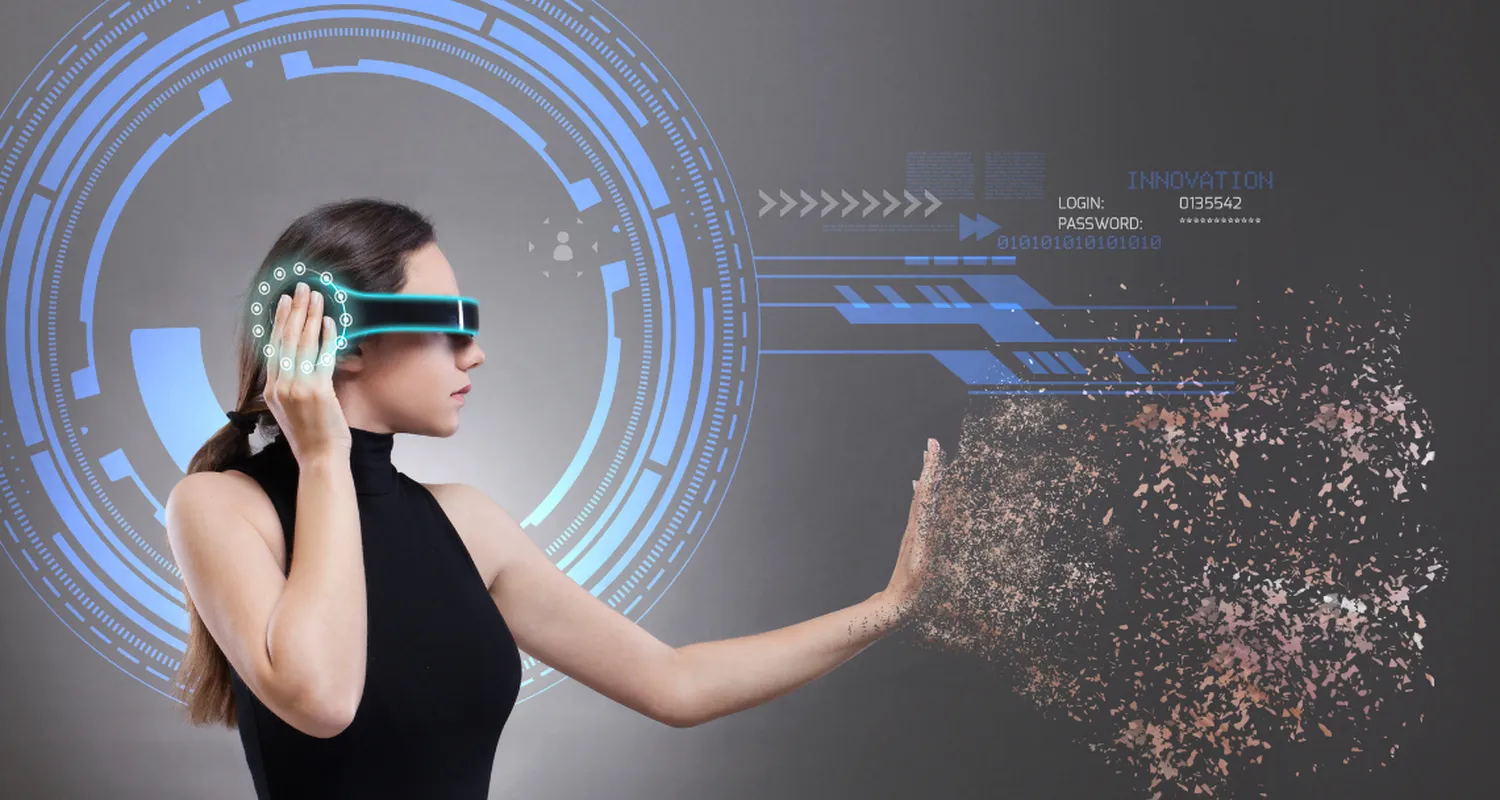

It goes without saying that nowadays technology evolves at an unprecedented pace, changing our way of living, working, learning, and communicating. Many things that were considered possible only in science-fiction novels just became a reality. From more intelligent decisions made by AI to the use of robots in healthcare and autonomous cars on the roads – the future is coming to us much sooner than most people thought.
Until 2030, technology will change the industry landscape, open up job opportunities, and help resolve many issues that mankind has been struggling with for decades. For businesses, innovation means staying competitive, and for individuals, lifelong learning will mean readiness for the future.
This article will provide you with information about 15 major technologies that will have an impact on the Future of technology 2030 and explain their importance.
1. Artificial Intelligence Will Become Everywhere
AI has moved beyond the scope of research labs and tech giants to become useful in writing, creating images, analyzing data, automation of tasks, and recommending intelligent solutions.
In the year 2030, AI will be extensively used in healthcare, education, transport, financial sector, customer services, manufacturing, and entertainment sectors.
Key Benefits
- Faster decision-making
- Increased productivity
- Personalized experiences
- Better medical diagnosis
- Improved customer service
- Business automation
2. Quantum Computing Will Solve Impossible Problems
It is anticipated that quantum computers can perform operations which might take several thousand years for traditional computers to accomplish.
It is believed that quantum computing technology will greatly help the industries including medicine, cybersecurity, scientific studies, logistics, and finance.
Potential Applications
- Drug discovery
- Climate research
- Financial modeling
- Complex simulations
- Cryptography
- Space exploration
3. Cybersecurity Will Become More Important Than Ever
With the increasing growth of digital technology, the attacks in the cyberspace domain will also grow in sophistication.
Companies will have to make huge investments in cybersecurity experts, cybersecurity technologies, and AI-based threat detections.
Why Cybersecurity Matters
- Protects personal information
- Prevents financial fraud
- Secures businesses
- Safeguards national infrastructure
- Defends cloud platforms
4. Robotics Will Transform Every Industry
The current generation of robots is getting speedier, intelligent, and accurate.
By 2030, robots will be helping surgeons in operations, automating industries, delivering parcels, cleaning buildings, and also caring for the elderly.
Industries Using Robotics
- Manufacturing
- Healthcare
- Agriculture
- Construction
- Logistics
- Hospitality
5. 5G and 6G Connectivity
Faster internet speed would bring about new opportunities for business and consumers.
There would be real-time communication, smart cities, remote surgery, and more immersive virtual experiences.
Benefits
- Ultra-fast downloads
- Lower latency
- Better streaming
- Smart transportation
- Connected devices
6. Extended Reality (AR, VR & Mixed Reality)
Virtual Reality and Augmented Reality will transform fields such as education, gaming, architecture, healthcare, and shopping.
Think of attending lectures in a virtual class or trying out furniture at home before buying it.
Expected Uses
- Education
- Gaming
- Medical training
- Virtual tourism
- Product visualization
7. The Rise of Smart Cities
The future cities will be smarter through the use of sensors, AI, and IoT technologies.
Traffic lights, waste management, electricity, and security will all be made smarter.
Smart City Features
- Intelligent traffic systems
- Energy-efficient buildings
- Smart parking
- Environmental monitoring
- Digital public services
8. Green Technology Will Lead Sustainability
It is not only the intelligence of the future; it is also the cleanliness of the future.
Renewable energy, electric cars, carbon capture, and eco-manufacturing will become important worldwide.
Green Innovations
- Solar energy
- Wind power
- Electric transportation
- Sustainable construction
- Energy storage
9. Personalized Healthcare
Healthcare is becoming more data-centric.
Diagnoses using AI technology, wearable technology, gene-based treatments, and patient monitoring technologies are all going to make treatment more successful and less expensive.
Healthcare Technologies
- Smart wearables
- Remote consultations
- Predictive analytics
- Precision medicine
- AI diagnosis
10. Blockchain Beyond Cryptocurrency
The use of blockchain technology has gone well beyond Bitcoin and cryptocurrencies.
Firms are using blockchain to increase transparency, prevent fraud, and streamline digital transactions.
Future Applications
- Supply chain management
- Digital identity
- Healthcare records
- Smart contracts
- Banking
11. Autonomous Vehicles
The technology behind self-driving keeps evolving every year.
Automobiles, buses, delivery robots, and drones will become increasingly autonomous.
Advantages
- Reduced accidents
- Improved transportation
- Lower operating costs
- Faster deliveries
12. Internet of Things (IoT)
Billions of connected devices will communicate automatically.
Homes, factories, hospitals, and cities will all rely on IoT to improve efficiency.
Examples
- Smart homes
- Smart factories
- Connected healthcare
- Smart agriculture
13. Space Technology Will Expand
Both corporations and governmental institutions are spending billions on exploring space.
Future advancements might include space tourism, lunar trips, asteroid mining, and more elaborate satellite constellations.
14. Automation Will Change the Workplace
Automation will take care of repetitive functions but will open up new jobs as well.
People who know how to use technology, innovate, communicate, and solve problems will always be in demand.
Future Skills
- AI literacy
- Data analysis
- Programming
- Cybersecurity
- Critical thinking
- Leadership
15. Human-AI Collaboration
AI will not completely take away humans’ place, but will start collaborating with them.
The future belongs to those professionals who can apply AI for creative and productive purposes.
Areas of Collaboration
- Content creation
- Software development
- Medical research
- Business strategy
- Education
- Scientific discovery
Challenges We Must Address
With the tremendous potential offered by technology, it is imperative for society to be ready for various challenges that arise from technological development.
- Data privacy
- Cybersecurity threats
- Ethical AI
- Job displacement
- Digital inequality
- Environmental impact
- Responsible innovation
All governments, organizations, teachers, and individuals need to collaborate to make sure that technological advancement works for the good of all people.
How to Prepare for the Future
If you want to stay competitive in the coming decade, consider these practical steps:
- Learn AI fundamentals.
- Improve your digital skills.
- Stay updated with technology news.
- Practice cybersecurity awareness.
- Develop problem-solving abilities.
- Learn data literacy.
- Embrace continuous learning.
- Adapt to new tools and platforms.
- Strengthen communication skills.
- Build a future-ready mindset.
Conclusion
The future of technology is no longer some far-off ideal, instead, it is here now. Technology such as artificial intelligence, quantum computing, robotics, blockchain, smart cities, green energy, and interconnectivity will have a dramatic effect on society by 2030.
Although there are many great prospects associated with technological advancements, proper development, ethical decisions, and constant learning are vital to their success. Those individuals and companies who are willing to adapt, learn, and embrace changes will find themselves well-equipped to prosper in the fast-changing world of technology.
The coming decade will not just bring new technology, it will revolutionize the way humans live, communicate, create, and solve global problems.